Concrete Retaining Walls vs Concrete Poured Walls: What’s the Difference?
People seeking to install concrete retaining walls or poured walls often want durable, functional solutions, and local contractors can help determine the best type for their needs.
If you're exploring options for strengthening your landscape or managing uneven terrain, understanding the differences between concrete retaining walls and concrete poured walls can be a practical first step. Property owners in the area often consider these structures to improve yard functionality, prevent erosion, or create distinct outdoor spaces. Knowing which type suits your specific needs can help you make informed decisions, and local contractors specializing in retaining wall and poured wall installation are available to provide guidance tailored to your property.
Delving into the distinctions between concrete retaining walls vs concrete poured walls can reveal important factors like durability, installation methods, and aesthetic appeal. Whether you're looking to reinforce a hillside or create a foundation for a new structure, these insights can support your planning process. Connecting with experienced local service providers ensures that your project benefits from expert advice and quality craftsmanship, helping you achieve the results you envision for your property.
Get Quotes for Retaining Wall And Concrete Poured Wall Installation
- Retaining Wall installation - needed when property owners want to prevent soil erosion or create level areas on sloped land, with local contractors customizing designs to match landscape needs.
- Concrete poured wall installation - suitable for constructing foundation walls or basement walls that require continuous, seamless concrete structures, with local service providers ensuring proper reinforcement and finishing.
- Retaining Wall installation - chosen for landscape projects that involve supporting earth in areas with changing elevations, with local pros selecting materials and techniques based on soil conditions and aesthetic goals.
- Concrete poured wall installation - ideal for structural walls that demand high strength and durability, with local contractors focusing on precise forms and curing processes to meet project specifications.
- Retaining Wall installation - often used in garden or driveway borders to define spaces, with local service providers offering various styles and materials to complement the surrounding environment.
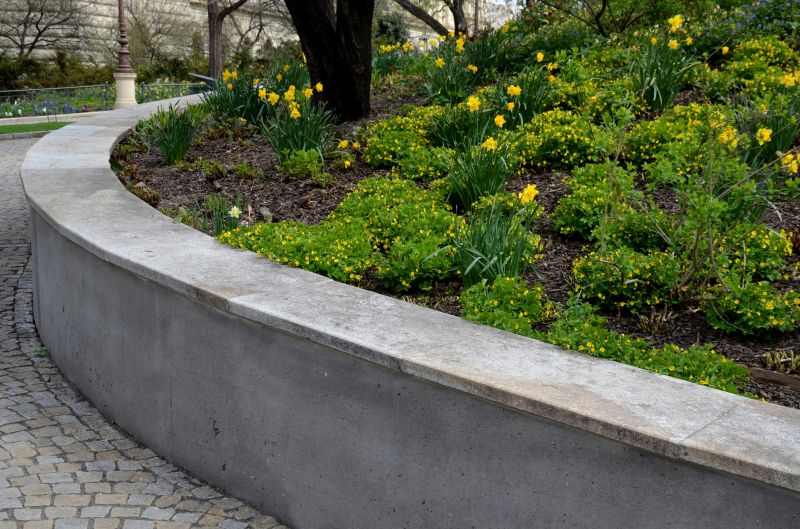
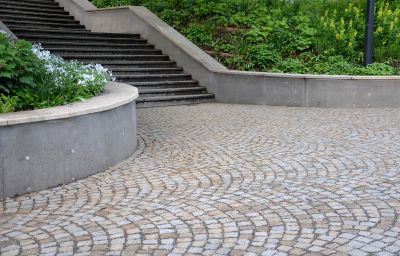
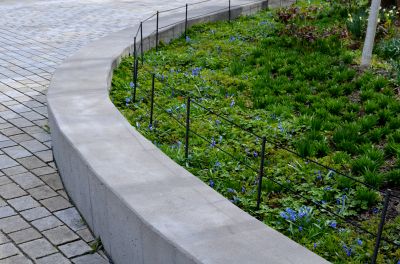
When homeowners search for information about concrete retaining walls versus concrete poured walls, they are often trying to understand the fundamental differences between these two types of structures. Typically, the goal is to find a solution that effectively manages landscape elevation changes, prevents soil erosion, or provides structural support for various outdoor projects. Many people are planning renovations, landscaping upgrades, or new construction that involves significant earth movement, and they want to know which type of wall best suits their needs. Understanding the distinctions helps homeowners determine whether they need a retaining wall to hold back soil or a poured wall for foundation support, and this knowledge guides them in choosing the right local service providers for installation.
The problems and plans related to these structures often involve slope stabilization, garden or yard improvements, or building retaining features around driveways and patios. For example, properties with uneven terrain or hillside landscapes frequently require retaining walls to create level areas or prevent landslides. Conversely, poured concrete walls are more common in foundational work, such as basement walls or supporting structures for new additions. These projects are typically associated with residential properties, but they can also be relevant for commercial sites needing durable, load-bearing walls. Homeowners usually seek guidance on which wall type provides better durability, aesthetic appeal, or cost-effectiveness for their specific project, and local contractors can help assess these needs based on the property's layout and conditions.
Properties that come up in discussions about concrete retaining walls versus poured walls often include residential yards, hillside properties, and commercial developments. In residential settings, homeowners might want to create terraced gardens, level out uneven yards, or build decorative retaining walls that blend with the landscape. In more substantial construction projects, such as building basements or underground structures, poured concrete walls are common due to their strength and seamless appearance. The choice depends on factors like soil type, load requirements, and aesthetic preferences. Local service providers experienced in both types of construction can evaluate the property’s characteristics and recommend the most suitable option, ensuring that the work supports both the property's function and visual appeal.
Understanding the differences between concrete retaining walls and concrete poured walls helps homeowners connect their project needs with the right local experts. Retaining walls are typically constructed using modular blocks or poured concrete, designed to withstand lateral pressure from soil and other materials. Poured walls, on the other hand, are usually cast on-site as continuous structures that provide strong, stable foundations or barriers. Homeowners often turn to local contractors who specialize in these areas to ensure the appropriate materials and techniques are used for their specific project. By working with experienced service providers, property owners can achieve durable, functional results that meet their landscape or structural goals while making informed decisions about the type of wall that best fits their property’s requirements.
Landscape Design Projects - landscape projects often require the installation of retaining walls or poured concrete features to create level areas and prevent soil erosion, utilizing similar planning and construction skills.
Foundation Repair Services - foundation repair involves working with poured concrete or structural wall systems, making the skills used in retaining wall and poured wall installation applicable for stability and support.
Terrace and Patio Construction - building terraces and patios may involve constructing retaining structures or poured concrete slabs to ensure durability and proper drainage, aligning with techniques used in retaining wall and poured wall projects.
Erosion Control Projects - erosion control measures often incorporate retaining walls or poured concrete barriers to manage runoff and soil stability, requiring comparable planning and execution skills.
Driveway and Sidewalk Installation - installing concrete driveways and sidewalks involves pouring concrete and setting forms, similar to the techniques used in concrete poured walls and retaining structures.
Retaining Wall and Structural Wall Repairs - repair services for existing retaining or poured concrete walls demand familiarity with the same materials and construction methods used in initial installations, ensuring proper restoration and stability.
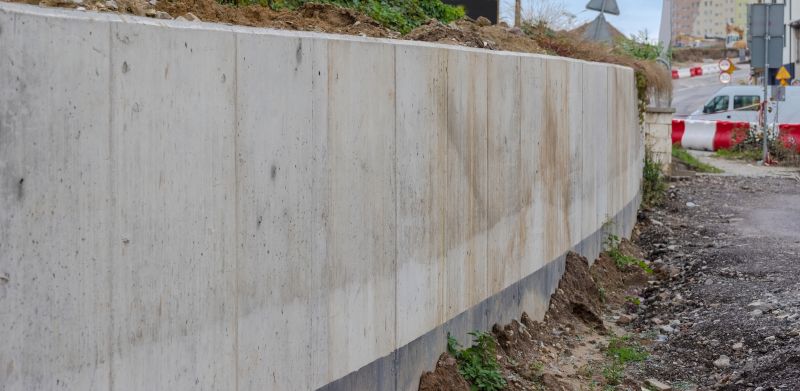
When comparing contractors for concrete retaining walls versus concrete poured walls, it is essential to consider their experience with similar projects. Homeowners should inquire about the types of retaining wall or poured wall projects the service providers have completed in the past, paying close attention to the scope and complexity of those jobs. A contractor with a proven track record in constructing durable, structurally sound retaining walls or poured foundations can offer valuable insight into what works best for specific soil conditions and landscape designs. This experience helps ensure that the selected local contractors understand the unique challenges each project presents and can recommend the most appropriate solutions.
Clear written expectations are a critical aspect of choosing the right contractor. Homeowners should seek detailed proposals that outline the scope of work, materials to be used, and the estimated process for installation. This transparency helps prevent misunderstandings and provides a basis for comparing different service providers. When reviewing proposals, it’s important to verify that the contractor has a thorough understanding of the differences between concrete retaining walls and concrete poured walls, including the advantages and limitations of each. Well-documented expectations also serve as a reference point throughout the project, fostering accountability and ensuring that everyone is aligned on the deliverables.
Reputable references and effective communication are key factors when evaluating local contractors. Homeowners should ask for references from previous clients who had similar work done, which can provide insights into the quality of craftsmanship and professionalism. Good communication involves responsiveness, clarity in explanations, and a willingness to answer questions about the project process. Contractors who are transparent and communicative tend to be more reliable and easier to work with, which can make the experience of installing a retaining wall or poured wall more straightforward. By focusing on these aspects, homeowners can better identify service providers who will meet expectations and deliver results that align with their project goals.
Get a Quote for Retaining Wall And Concrete Poured Wall Installation
Property owners often search for concrete retaining walls vs concrete poured walls: what’s the difference? when they are planning practical projects around their homes and businesses. Local pros provide Retaining Wall and Concrete Poured Wall Installation services for everyday jobs and straightforward project options.
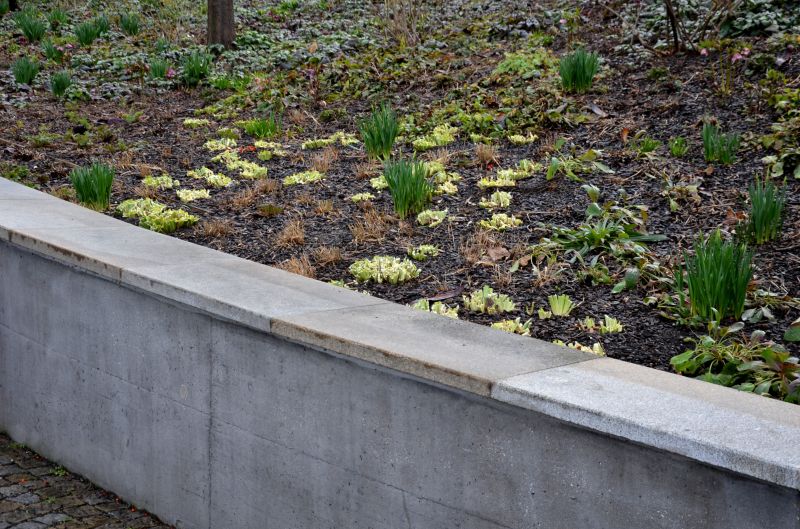
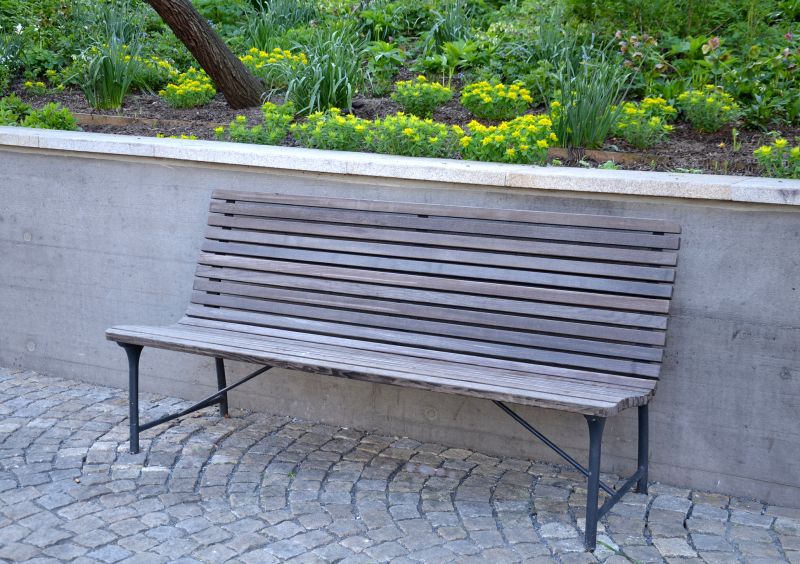
Property owners often search for information on concrete retaining walls vs concrete poured walls to better understand which option suits their outdoor projects. Retaining walls are typically used to hold back soil on sloped properties, creating level areas for gardens, patios, or driveways. They are often favored for their aesthetic appeal and structural stability in landscape design. Meanwhile, concrete poured walls are common in foundational or basement construction, providing strong, seamless support for building structures. Homeowners looking to improve their property's stability or expand usable space might explore these options and consider hiring local contractors experienced in each type of wall installation.
Choosing between concrete retaining walls and concrete poured walls depends on the specific needs of a project. Retaining walls generally involve stacking or segmenting blocks or poured concrete in sections, making them suitable for landscaping or terracing. Poured walls, on the other hand, are poured as a single, continuous piece, ideal for foundational purposes and areas requiring a smooth, uniform surface. Property owners interested in these services can find local contractors who specialize in both retaining wall and concrete poured wall installation, ensuring the right approach for their property’s design and structural requirements.
Get a Quote for Retaining Wall And Concrete Poured Wall Installation
What is the main difference between concrete retaining walls and concrete poured walls? Concrete retaining walls are typically constructed using blocks or panels to hold back soil, while concrete poured walls are made by pouring concrete into forms to create a solid, continuous structure. Local contractors can help determine which option best suits specific project needs.
Are concrete retaining walls more suitable for landscaping projects? Yes, concrete retaining walls are often preferred for landscaping because they can be built in decorative styles and are effective at managing soil and water runoff. Local service providers can install these walls to enhance outdoor spaces.
What advantages do concrete poured walls offer over retaining walls? Concrete poured walls provide a seamless, durable barrier that is ideal for foundational support or basement walls. Local pros can handle the installation to ensure structural integrity and long-term performance.
Can both types of walls be used for the same structural purposes? While both can serve structural functions, retaining walls are primarily used for soil retention and landscaping, whereas poured walls are often used for foundations and load-bearing applications. Local contractors can advise on the best choice for specific projects.
How do installation processes differ between concrete retaining walls and poured walls? Installing retaining walls involves stacking or assembling blocks or panels, while poured walls require forming and pouring concrete into molds. Local pros are experienced in both methods and can recommend the most suitable approach for the project.
Choosing the right wall type for hillside landscaping - property owners can work with local contractors to select between retaining walls and poured walls that best support uneven terrain.
Creating functional garden borders or terraces - local pros can help design and install concrete retaining walls to define outdoor spaces effectively.
Addressing erosion or soil stability issues - property owners can consult local service providers to install poured walls or retaining structures that prevent soil movement.
Building foundation or structural support for new constructions - local contractors can advise on whether concrete poured walls or retaining walls are suitable for supporting building loads.
If you are thinking about concrete retaining walls vs concrete poured walls: what’s the difference? for a property, this guide is meant to help you understand this topic, the typical project types, and how different options might fit your plans.
When you are ready, you can use the quote form on this page to share a few details about your project. From there, local pros can review the basics and follow up with options that match what you have in mind.
Get a Quote for Retaining Wall And Concrete Poured Wall Installation